Why Furnace OEMs Need No-MOQ Ceramic Fiber Board Sampling
Why Furnace OEMs Need No-MOQ Ceramic Fiber Board Sampling
Developing a new furnace model or upgrading an existing one is a process of iteration. Engineers must test how different materials perform under specific thermal conditions before committing to a final design. During this stage, the procurement of raw materials becomes a bottleneck if suppliers require large minimum order quantities (MOQ).
The Problem with Traditional MOQs
A typical furnace prototype might only require a few square meters of ceramic fiber board, or a handful of custom-machined parts. If a supplier insists on a full pallet or a minimum production batch, the furnace manufacturer is forced to purchase excess inventory.
This excess material becomes a financial risk. If the prototype testing fails, or the customer rejects the new design, the purchased lining material may become dead stock. Because of this, engineers often compromise on material testing, choosing readily available options rather than the optimal material for the design.
How No-MOQ Supply Supports Development
A no-MOQ supply model—where even a single piece can be produced—changes this dynamic. It allows furnace manufacturers to order exactly what is needed for the prototype phase.
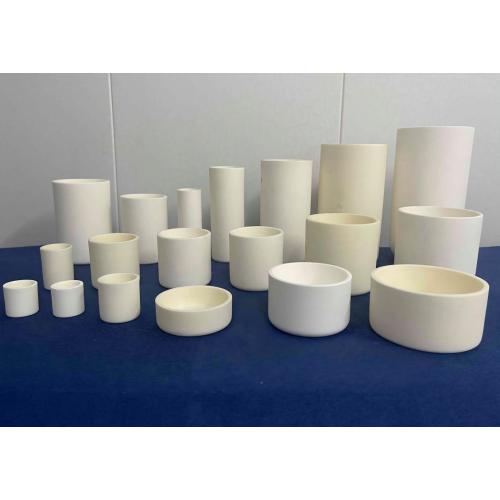
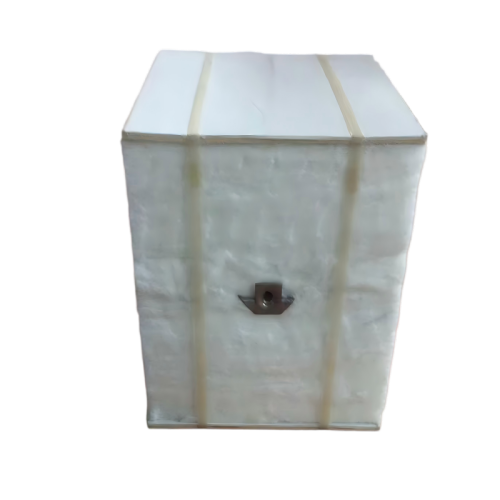
Whether you need a small batch of high-density pressed boards for a test wall, or a few vacuum-formed CNC machined parts for burner ports, no-MOQ supply removes the financial barrier to innovation. Engineers can test 1600°C polycrystalline mullite boards alongside 1800°C alumina boards to determine the most cost-effective configuration for a specific furnace zone.
Lead Time and Project Rhythm
Sampling is deeply tied to project timelines. A furnace development project usually has fixed milestones for design, testing, and customer validation. Waiting weeks for a material sample can delay the entire project.
By offering a lead time of 15 to 21 days for customized samples and production orders, suppliers can align with the OEM's development rhythm. This ensures that material selection does not become the critical path that holds up the launch of a new furnace line.
Conclusion
For furnace manufacturers, flexible supply is a strategic advantage. No-MOQ policies and reasonable lead times allow engineers to validate designs with the right materials, rather than being constrained by inventory minimums.